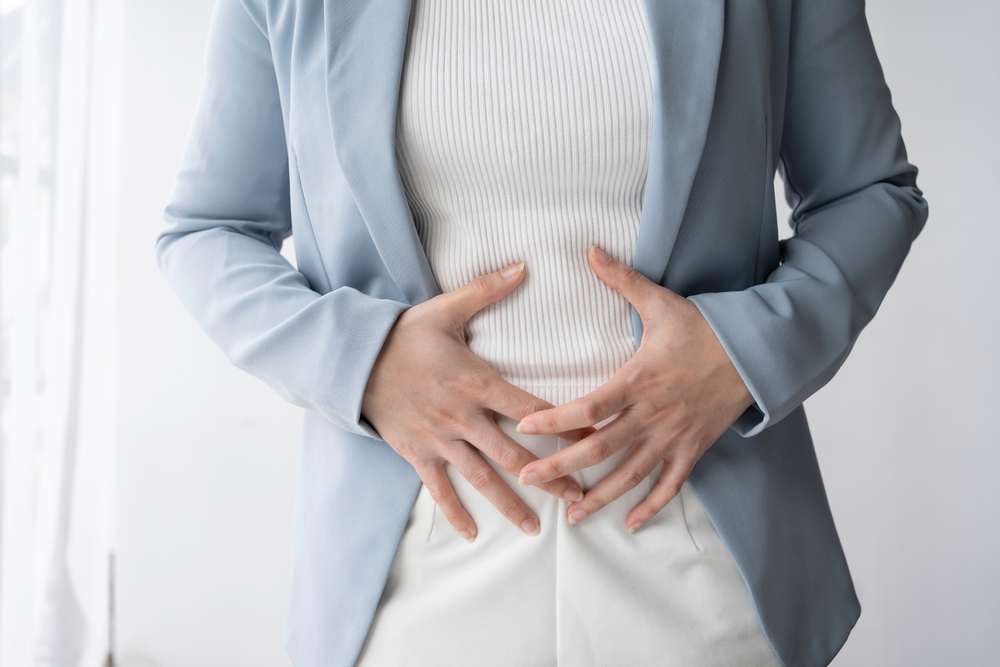
You may think mental health begins in the brain—but science says it starts a little lower. The gut, often called “the second brain,” plays a major role in mood regulation, emotional balance, and even addiction recovery.
The gut-brain connection isn’t just a wellness buzzword—it’s backed by an expanding body of research. Understanding this connection could help people in recovery build a stronger foundation for healing, one bite at a time.
What Is the Gut-Brain Axis?
The gut and brain are connected through a network of nerves, hormones, and immune signals—collectively called the gut-brain axis. The vagus nerve acts as a communication superhighway, constantly sending updates between the digestive system and the brain.
This means what happens in your gut—digestion, inflammation, bacterial balance—can directly influence your mental state.
The Gut’s Role in Mental Health
Your gut produces over 90% of the body’s serotonin, the neurotransmitter that regulates mood, sleep, and appetite. A disrupted gut environment can lead to low serotonin levels, which may increase risk for depression, anxiety, and emotional instability—all common struggles in early recovery.
Addiction, Inflammation, and the Gut
Substance use can wreak havoc on the gut lining, microbiome, and digestion:
- Alcohol irritates and inflames the gut wall
- Opioids slow digestion and disrupt absorption
- Stimulants reduce appetite and gut motility
This damage often contributes to fatigue, mood swings, nutrient deficiencies, and immune dysfunction—making early recovery harder than it needs to be.
Healing the gut can help stabilize not just the body, but the mind.
The Microbiome: Your Inner Ecosystem
The microbiome refers to the trillions of bacteria living in your gut. A healthy microbiome supports:
- Mood balance
- Cognitive clarity
- Lowered inflammation
- Stronger immune response
Unhealthy microbiomes, caused by poor diet, stress, or substance use, have been linked to anxiety, depression, and even cravings.
Foods That Support Gut Health in Recovery
You don’t need a fad diet—just consistent, gut-friendly meals:
- Probiotic-rich foods: Yogurt, kefir, kimchi, sauerkraut
- Prebiotic fibers: Bananas, garlic, oats, asparagus
- Omega-3 fats: Salmon, flaxseed, walnuts
- Colorful veggies: Support microbial diversity and reduce inflammation
Avoiding highly processed foods, excessive sugar, and alcohol can give your gut a much-needed reset.
Hydration and Digestion
Don’t underestimate water. Proper hydration improves digestion, reduces brain fog, and helps your system flush out toxins—especially after detox.
Aim for consistent hydration throughout the day, not just large amounts all at once.
Supplements and Considerations
While food is the foundation, some supplements may support gut healing:
- Probiotics
- L-glutamine (for gut lining repair)
- Digestive enzymes
Always consult a healthcare provider before starting any supplement, especially during recovery.
Gut Healing as a Daily Practice
Healing your gut isn’t about perfection—it’s about awareness. Try:
- Starting the day with a probiotic smoothie
- Eating slowly and mindfully
- Reducing stress (which affects digestion)
- Tracking how certain foods make you feel
As your gut heals, many report improved mood, sleep, energy, and even reduced cravings.
Conclusion: Feed Your Recovery, Literally
Your recovery doesn’t just depend on mindset—it depends on nourishment. The gut-brain axis is a powerful tool for emotional and physical stability. When you feed your body the right way, your brain thanks you. And recovery becomes a lot more grounded.